UK’s Most Immersive Adventure Experiences Beyond the Obvious
Adventure in the UK takes many forms, shaped by its varied landscapes and long relationship between people and place. From remote coastlines to hidden underground worlds, the country offers experiences that demand focus, preparation, and active participation rather than passive sightseeing. The most compelling adventures are those that place you directly within the environment. They involve moving through terrain under your own power, responding to weather and natural forces, and relying on skill as much as strength. These are experiences that create a strong sense of presence and connection, turning travel into something lived rather than observed.
1. Multi-Day Hiking in Knoydart Peninsula
Knoydart lies on the west coast of the Scottish Highlands and is often described as one of the most isolated parts of mainland Britain. There are no public roads into the peninsula, which means that reaching it already requires intent and planning.
A multi-day hike in Knoydart is shaped by scale and solitude. Mountains rise steeply from sea lochs, and long glens stretch inland with little sign of human activity. Trails are often faint or absent, so navigation skills are essential. Weather can shift quickly, adding another layer of complexity to route planning and daily decision-making.
This is an environment where self-reliance matters. Walkers must carry everything they need and be prepared to adjust plans based on conditions. That sense of responsibility creates a strong mental engagement with the landscape.
Despite its remoteness, Knoydart is not empty. The small settlement of Inverie is home to a close-knit community and one of the UK’s most remote pubs, owned and run by residents. Arriving there on foot after several days in the hills feels like a natural conclusion to a demanding journey.
This adventure suits experienced walkers who value independence, quiet landscapes, and journeys that feel purposeful from start to finish.
2. Sea Kayaking Along the Pembrokeshire Coast
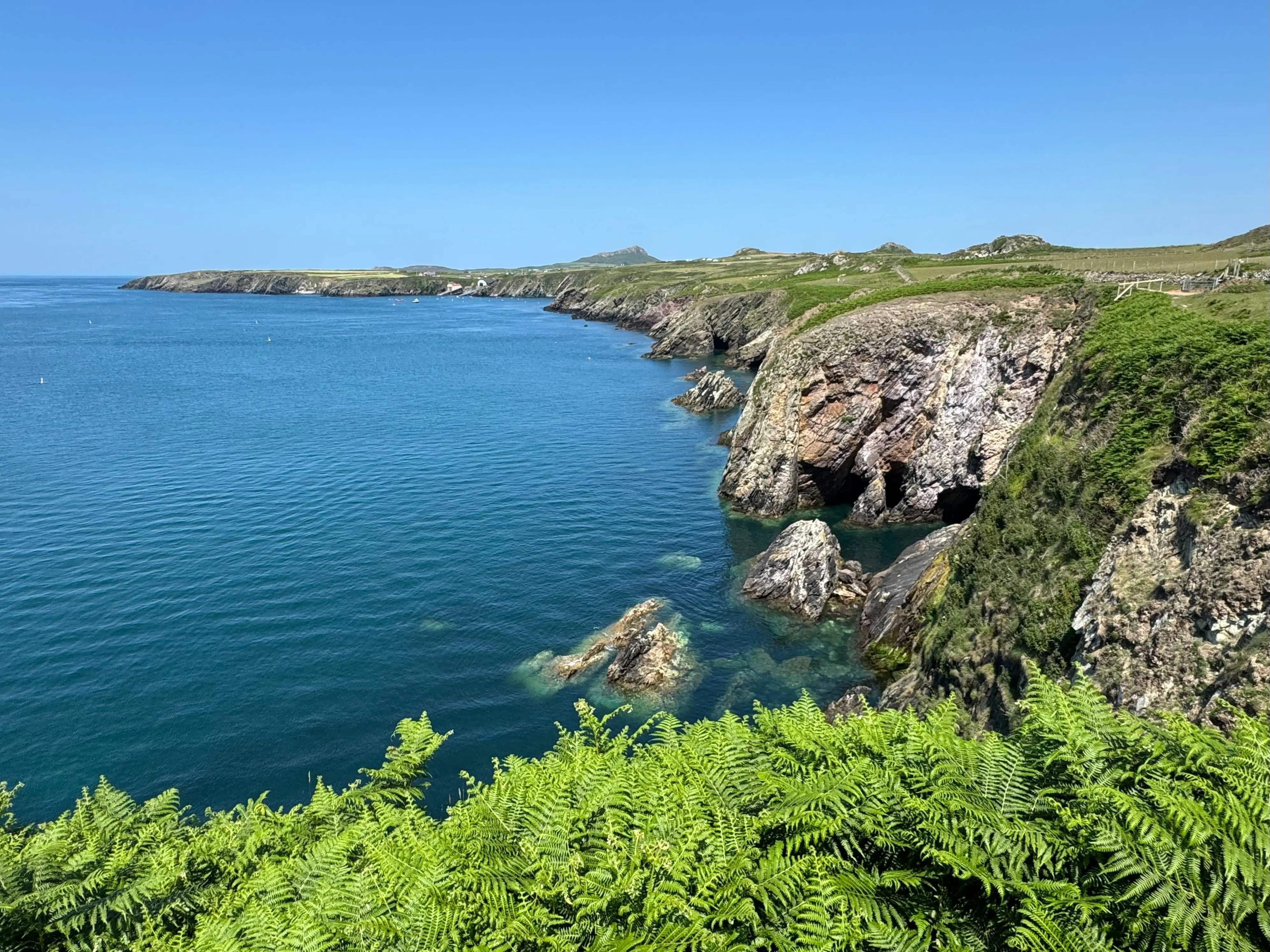
Exploring the Pembrokeshire coastline by sea kayak offers a very different experience from travelling it on foot. From the water, the scale and detail of the cliffs become more immediate, and access opens up to caves, arches, and beaches that cannot be reached from land.
Sea kayaking here is shaped by natural rhythms. Tides, swell, and wind direction all influence route choices and daily plans. This creates a strong sense of partnership with the environment rather than control over it.
Paddling close to the cliffs brings frequent wildlife encounters. Seals are often seen resting on rocks or swimming alongside kayaks, and seabirds nest in large numbers along the coast. Being at water level makes these moments feel direct and unforced.
Multi-day kayaking trips allow travellers to move along the coast gradually, carrying equipment and camping or staying in small coastal settlements. Each day builds on the last, creating continuity and a clear sense of movement through the landscape.
This adventure appeals to those who enjoy skill-based travel, close contact with nature, and the quiet intensity of sustained physical effort.
3. Underground Exploration in the Yorkshire Dales
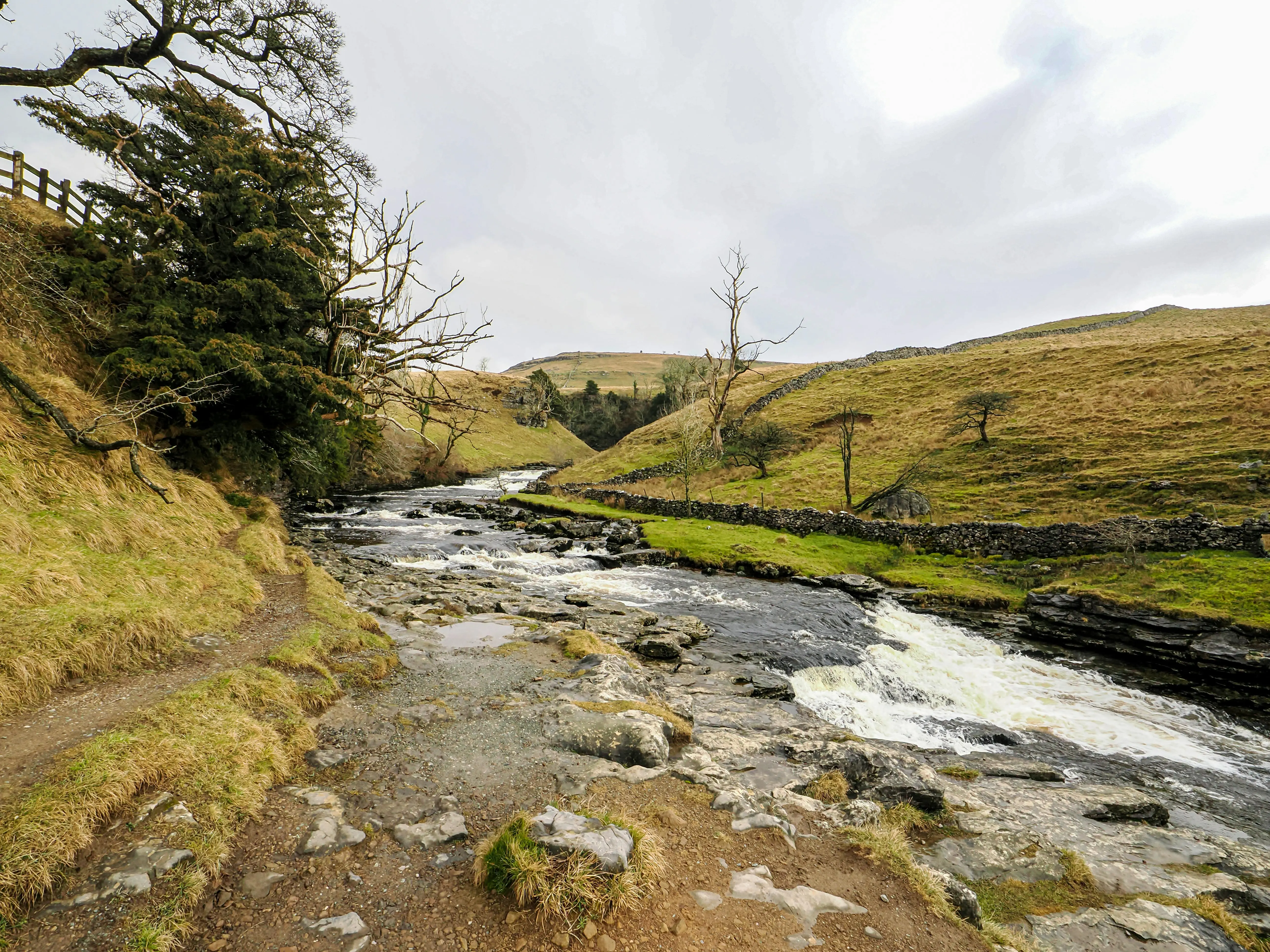
Beneath the rolling hills of the Yorkshire Dales lies one of the most extensive cave networks in the UK. Caving here offers an adventure defined not by views but by exploration, teamwork, and trust.
Entering these systems involves rope descents, narrow passages, underground rivers, and vast chambers hidden deep below the surface. Light is limited, sound behaves differently, and progress is slow and deliberate.
Caving requires preparation and technical skill. Proper equipment, training, and experienced leadership are essential. For many participants, this creates a strong sense of focus, as attention must remain on each movement and decision.
Time underground feels compressed. Without natural light or familiar reference points, awareness shifts inward. The experience becomes as much mental as physical.
Caving in the Yorkshire Dales suits travellers looking for an adventure that challenges comfort zones and encourages complete presence, while offering a rare perspective on the landscape above.
4. Guided Tidal Crossing of Morecambe Bay
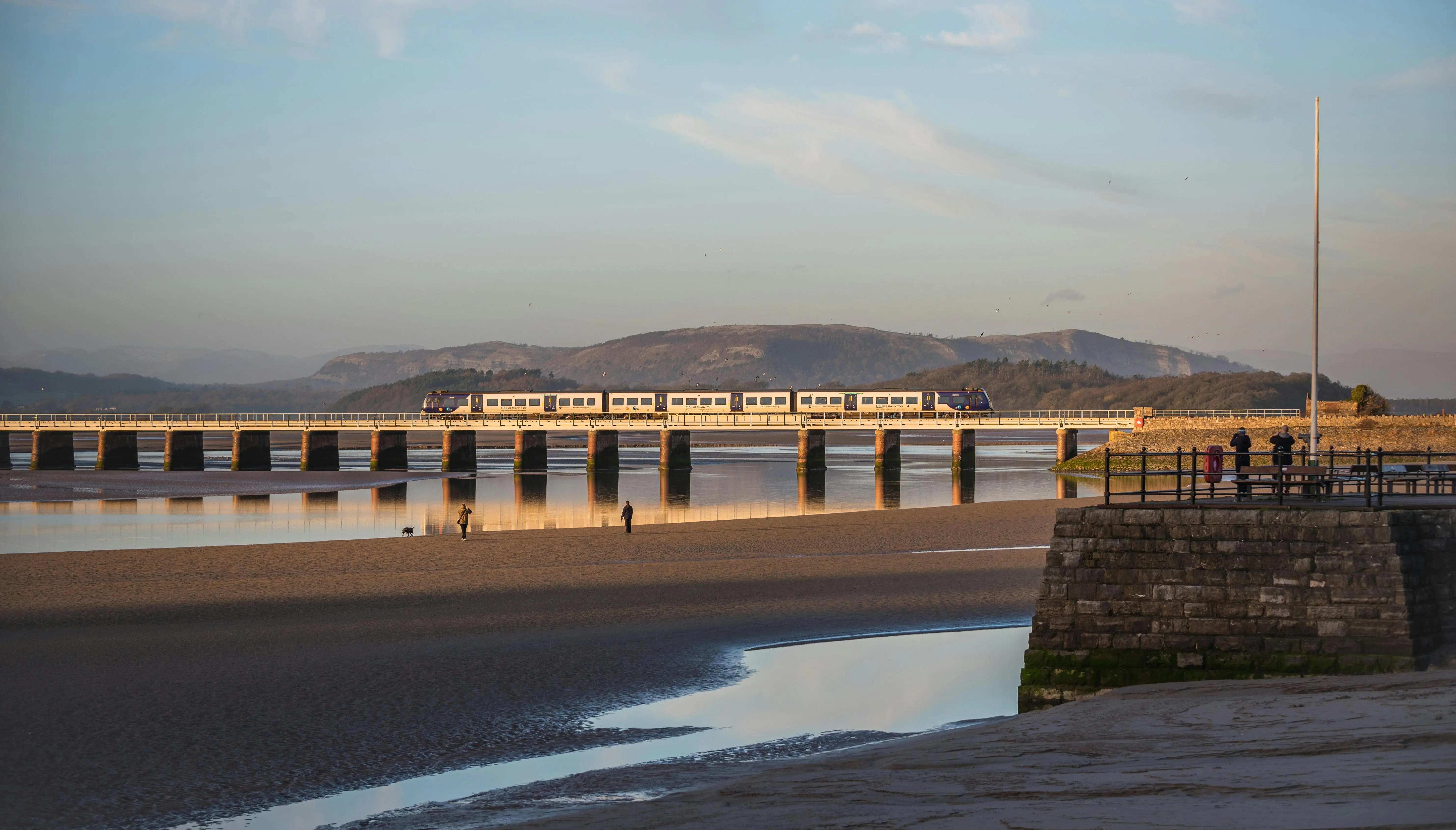
A guided tidal crossing of Morecambe Bay is one of the UK’s most unusual adventure experiences. Rather than mountains or cliffs, the challenge here comes from water movement, shifting sands, and precise timing.
The bay has one of the largest tidal ranges in the country. At low tide, vast expanses of sand and channels are exposed, creating temporary routes that disappear hours later. Crossing safely requires expert local knowledge, which is why these journeys are always led by trained guides.
Walking across the bay is physically demanding but not technically difficult. The real challenge lies in understanding the landscape underfoot. Channels can deepen quickly, and the route changes constantly with tides and weather.
There is something strikingly humbling about moving across such an open, exposed environment on foot, knowing that the sea will soon reclaim it. The experience creates a strong awareness of natural forces and human vulnerability.
This adventure suits travellers who value tradition, local expertise, and experiences shaped entirely by natural timing rather than fixed infrastructure.
Conclusion:
These adventures highlight a side of the UK that is defined by effort, attentiveness, and immersion. Whether hiking through remote Highland terrain, moving with the tides along a rugged coast, exploring hidden underground worlds, or crossing a vast tidal landscape on foot, each experience asks for respect and preparation. They invite travellers to engage fully with their surroundings and with themselves. For those seeking depth, challenge, and genuine connection to place, these adventures offer a powerful way to experience the UK beyond the obvious.